
Have you ever looked at a cherished antique frame, a vintage lamp, or a piece of beloved furniture and wished you could restore its original luster without hiring an expensive professional? The world of restoration can often seem intimidating, filled with complex chemicals and highly specialized techniques. However, there is a secret weapon that simplifies restoration for all skill levels: bronze powders. These versatile metallic pigments are the bridge between a dull, damaged surface and a brilliant, revitalized masterpiece.
Simplifying the Process for Beginners
Restoration doesn’t have to be a daunting task reserved for museum conservators. Bronze powders are designed with a fine texture that makes them incredibly forgiving to work with. Unlike heavy metallic paints that can leave brush strokes or pool unevenly, high-quality powders, such as those offered by Five Star Aluminium Paste, blend seamlessly into various mediums. This fine consistency ensures suitability for touch-ups and repairs, allowing even a complete novice to fill in a chip on a gilded mirror or refresh the hardware on a cabinet with professional-looking results.
Accessible Techniques and Safety
One of the primary reasons bronze powders are so popular is their adaptability to simple application methods. You don’t need a spray booth or industrial equipment. Popular application methods like dry brushing allow you to highlight raised details gently, creating depth and character instantly. By simply dipping a soft brush into the powder and lightly dusting it over a surface, you can achieve a stunning antique effect in minutes. Encouraging readers by noting professional results are achievable with simple steps is key to our philosophy; with just a bit of wax or varnish and your bronze powder, you are ready to create.
We also advise addressing common concerns about materials, tools, and safety. Many beginners worry about toxicity or the need for expensive safety gear. While standard precautions like wearing a dust mask are necessary to avoid inhaling fine particles, modern bronze powders are generally safe for home use when handled correctly. We want to reassure beginners about the accessibility and forgiving nature of bronze powders; if you make a mistake, it is often easy to wipe away and start fresh before your binder sets.
Bronze Powders in Restoration
What Are Bronze Powders?
To truly master restoration, one must first understand the medium. Bronze powders are essentially finely ground metal particles, typically alloys of copper and zinc. The ratio of these metals determines the color—ranging from a rich, reddish “Pale Gold” to a cool, greenish “Rich Gold.” These are not merely colored dust; they are actual metal flakes that reflect light in a way that synthetic pigments struggle to mimic. When sourced from reputable suppliers like Five Star Materials, these powders provide an authentic metallic sheen that is critical for genuine restoration work.
Historically, these powders were known as “bronzing powders” and have been used for centuries to imitate real gold leaf at a fraction of the cost. In the context of modern restoration, they serve as the primary material for fixing gilded surfaces where gold leaf might be too expensive or difficult to apply. They can be mixed with various binders—such as varnish, shellac, wax, or acrylic medium—to create a paint, or applied dry over a tacky surface.
Key Properties for Conservation
When preserving an artifact, the stability of the material is paramount. Bronze powders possess specific properties that make them ideal for conservation efforts. Firstly, their high opacity means that a little goes a long way; a small amount of powder can cover a significant area, obscuring underlying damage effectively. Secondly, they are highly compatible with reversible binders. In conservation, “reversibility” is a golden rule; you want to be able to remove your repair in the future without damaging the original piece.
Bronze Powder Performance Ratings
Furthermore, the variety of particle sizes available allows restorers to match the texture of the original finish. Coarser powders offer a more sparkling, textured finish, often seen in Victorian cast iron work, while finer grades produce a smooth, satin-like finish suitable for delicate picture frames. Understanding these key properties for conservation helps ensuring that the restoration not only looks good today but stands the test of time.
Differentiating from Mica Powders
A common point of confusion for DIY enthusiasts is the difference between genuine bronze powders and mica powders. While both shimmer, they are fundamentally different materials with distinct applications in restoration. Bronze powders are metal; they will oxidize (tarnish) over time if not sealed, developing a patina that many restorers actually desire for an antique look. Mica powders, on the other hand, are ground minerals (silicates) coated with oxides. They are inert, meaning they will not tarnish or change color.
To help you choose the right material for your project, here is a comparison table differentiating from mica powders:
| Feature | Bronze Powder (Metal) | Mica Powder (Mineral) |
|---|---|---|
| Composition | Copper/Zinc Alloy | Natural Mica Stone + Oxides |
| Reflectivity | High, opaque, “solid metal” look | Shimmering, translucent, pearlescent |
| Oxidation | Will tarnish (needs sealing) | Does not tarnish |
| Best Use | Antique restoration, heavy gilding, hardware | Resin art, cosmetics, subtle highlights |
| Weight | Heavier (sinks in medium) | Lighter (suspends in medium) |
For authentic restoration of metallic objects or gilded wood, bronze powders are almost always the superior choice because they mimic the density and opacity of real metal. Five Star Aluminium Paste and bronze pigment lines are specifically engineered to provide that dense, rich coverage that mica simply cannot achieve. While mica is beautiful for crafts, it lacks the “weight” and historical accuracy required for serious restoration work.
Watch this tutorial to see the visual difference between applying metallic powders and mica based pigments.
Benefits of Bronze Powders
Easy Application for All Levels
One of the most significant barriers to entry in the world of restoration is the perceived learning curve. Traditional gold leafing, also known as water gilding, requires special clay bols, rabbit skin glue, agate burnishers, and years of practice to master handling the microscopic sheets of gold. In contrast, bronze powders offer easy application for all levels. Whether you are a professional conservator or a weekend DIY warrior, the process is intuitive. You are essentially mixing a powder with a liquid or wax.
For beginners, the “wax gilding” method is particularly satisfying. By mixing bronze powder with a clear paste wax, you create a metallic paste that can be rubbed onto furniture carvings or frame details with a finger or a cloth. This tactile approach gives you complete control over where the color goes and how intense it appears. It is a forgiving medium; if you apply too much, you can buff it back. This accessibility empowers homeowners to restore their own heirlooms without the fear of ruining them.
Cost and Versatility
Restoration can be an expensive endeavor, primarily due to material costs. Real gold leaf fluctuates with the market and can cost astronomical amounts for large projects. Bronze powders provide a cost-effective alternative that replicates the look of gold, copper, or brass at a fraction of the price. A small jar of high-quality powder can cover dozens of picture frames or several pieces of furniture.
Beyond cost, the versatility of these powders is unmatched. They can be mixed into virtually any medium. Need a waterproof metallic paint for outdoor gates? Mix bronze powder with an oil-based spar varnish. Need a quick drying touch-up for an indoor lamp? Mix it with shellac. Need to highlight the grain of oak wood? Mix it into a pore-filling wax. This adaptability means that one jar of Five Star Aluminium Paste or bronze powder can serve multiple purposes across different projects, making it a staple in any workshop.
Durable, Professional Finish
Do not mistake “easy to use” for “low quality.” When applied correctly and sealed appropriately, bronze powders yield a durable, professional finish that rivals factory coatings. The metallic particles interlock to form a solid barrier that is resistant to chipping and peeling. Unlike aerosol gold spray paints, which often contain dyes that fade quickly under UV light, real metal bronze powders retain their opacity and color integrity for years.
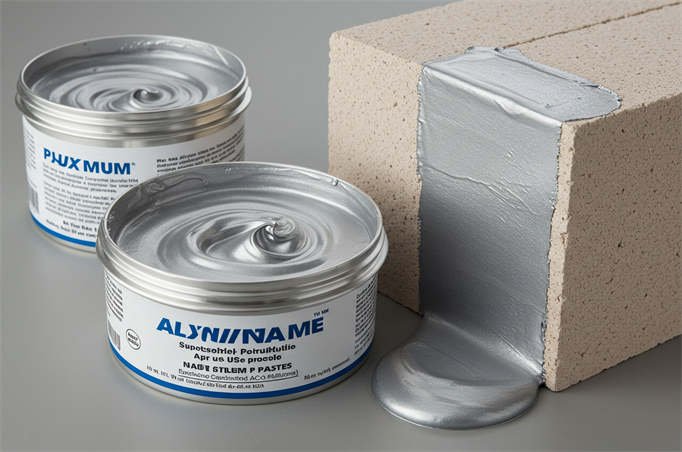
Before: Dull and Chipped Surface
Professional restorers often rely on these powders for “inpainting”—the process of fixing small areas of loss on a larger object. The finish is smooth and can be burnished (rubbed) to a high shine, mimicking the reflection of solid metal plating. For high-traffic items like door handles or drawer pulls, sealing the powder with a robust lacquer ensures the finish handles daily wear and tear without rubbing off.
Application Methods for Bronze Powders
Choosing the Right Powder
The first step in any successful project is material selection. Not all powders are created equal. Bronze powders come in various particle sizes, usually measured in mesh. A lower mesh number (e.g., 200 mesh) indicates larger particles, which result in a sparkly, textured glitter effect. A higher mesh number (e.g., 800-1200 mesh) indicates microscopic particles that align smoothly to create a “liquid metal” or mirror-like chrome effect.
When choosing the right powder, consider the era of the piece you are restoring. Victorian items often favor a richer, deeper gold (often called “Rich Gold”), while Art Deco pieces might look better with a cooler, paler gold (“Pale Gold”) or silver (often achieved with aluminum powders like Five Star Aluminium Paste). Choosing the correct shade and fineness is 90% of the battle in achieving an invisible repair.
Surface Preparation
As with any painting or finishing job, surface preparation is non-negotiable. Bronze powders will not hide surface imperfections; in fact, metallic finishes tend to highlight scratches and bumps. The surface must be clean, dry, and free of grease or oil. For wood, this means sanding smooth and removing dust. For metal, it means removing rust and loose paint.
If the surface is porous (like raw wood or plaster), it must be sealed with a primer before applying the bronze powder mixture. If you apply the metallic medium directly to a porous surface, the binder will soak in, leaving the powder sitting on top as a loose, dull dust. A base coat of red or yellow ochre paint is traditional in gilding; this “bole” color adds warmth to the final gold finish and provides a smooth bed for the metallic layer.
Dry Brushing Technique
The dry brushing technique is perhaps the most artistic way to use bronze powders. It is used to accentuate raised details on carvings, moldings, or hardware. To do this, you do not mix the powder into a liquid paint. Instead, you use a slightly tacky surface or a brush with a tiny amount of wax.
- Load a fluffy brush with a very small amount of bronze powder.
- Offload most of the powder onto a paper towel until the brush seems almost clean.
- Lightly drag the brush across the high points of the object.
The metallic particles will catch only on the raised areas, leaving the crevices dark. This instantly creates three-dimensional contrast and an aged, antique appearance. It is a subtle technique that builds up slowly, preventing the “heavy-handed” look of full painting.
Filling Gaps in Artifacts
Restoration often involves fixing chips, cracks, or missing chunks of ornamentation. Bronze powders can be mixed with fillers to create a metallic putty. By mixing the powder with a two-part epoxy glue or a wood filler, you can fill gaps in artifacts while simultaneously coloring the fill.
This technique is particularly useful for ceramic repair (similar to the Japanese art of Kintsugi) or fixing chipped gold frames. Once the fill is dry, it can be sanded and then topped with a fresh layer of bronze liquid to blend perfectly with the surrounding area. This structural and aesthetic repair saves items that might otherwise be discarded.
Mixing and Sealing
When mixing your own metallic paint, the ratio of powder to binder is critical. A standard starting point is 1 part powder to 4 parts binder, but this varies based on the effect you want. A “thinner” mix is better for glazing, while a “thicker” mix covers more aggressively. It is essential to mix only what you need, as the metal particles can oxidize inside the liquid over time, turning the paint green or brown.
Sealing is the final step. Because bronze is a copper alloy, it will tarnish if exposed to air and humidity. To preserve the shine, apply a clear topcoat. However, be careful: some water-based sealers can react with the metal, causing instant tarnishing. Always test your sealer on a scrap piece first. Solvent-based lacquers or shellac are generally the safest options for sealing bronze powders.
Safety Tips
While we advocate for the ease of use, safety tips are mandatory. Bronze powders are extremely fine particulates. When airborne, they can be inhaled deeply into the lungs.
- Respiratory Protection: Always wear a NIOSH-approved dust mask or respirator when handling dry powders.
- Ventilation: Work in a well-ventilated area to prevent dust accumulation.
- Eye Protection: Wear safety glasses to prevent particles from irritating your eyes.
- Cleanup: Clean surfaces with a damp cloth (wet wiping) rather than sweeping, which kicks dust back into the air.
By following these simple precautions, you ensure that your restoration hobby remains safe and enjoyable.
Common Mistakes in Gilding Restoration
Application Errors
Even with a forgiving medium, application errors can occur. The most common mistake is applying the bronze mixture too thickly. Unlike wall paint, metallic paints should be applied in thin, semi-transparent layers. A thick coat will often streak, sag, or dry with a “muddy” appearance rather than a brilliant shine. It is better to apply three thin coats than one thick one. Another error is over-brushing; once the metallic particles have started to align (leaf), continuing to brush disturb them, dulling the finish.
Surface Prep Issues
Skipping surface prep issues is the fastest way to a failed restoration. As mentioned earlier, bronze powders amplify texture. If you paint over a dirty or waxy surface, the paint will adhere poorly and eventually flake off. Furthermore, if you fail to smooth out the substrate, every scratch will shine brilliantly in the light. Beginners often rush to the “fun part” of applying the gold, neglecting the boring but vital work of cleaning and sanding.
Mixing Mistakes
Mixing mistakes usually involve incompatible chemistries. Mixing a bronze powder into a binder that is too acidic can cause the metal to turn green instantly. Additionally, adding too much powder to the binder can compromise the adhesion, causing the dried gold to rub off like chalk. Conversely, adding too little powder results in a dull, transparent glaze that looks like dirty varnish rather than gold. Finding the sweet spot takes experimentation, which is why we always recommend testing on a scrap surface first.
Sealant Problems
The tragedy of many restoration projects happens at the very end: sealant problems. You have achieved the perfect gold finish, you apply a clear coat, and suddenly the gold turns dull, brown, or milky. This happens when the solvent in the sealer dissolves the binder of the bronze coat, or when the sealer refracts light differently, killing the metallic luster. Always use a sealer known to be compatible with leafing metallics, and apply it via spray if possible to avoid dragging a brush through the metallic layer.
Gilding Restoration Examples
Successful Projects
To inspire your next project, let’s look at some successful projects where bronze powders saved the day. One notable example involved the restoration of a 1920s Art Deco theater lobby. The original plaster reliefs were chipped and painted over with beige latex. Restorers stripped the latex, repaired the plaster, and used a custom mix of Pale Gold bronze powder and glaze to restore the shimmering grandeur of the Roaring Twenties. The result was a historic space brought back to life, with the bronze powder catching the warm glow of the sconces perfectly.
Another example is the restoration of vintage cast-iron radiators. Homeowners often find these painted in thick white lead paint. After stripping, applying a heat-resistant varnish mixed with Five Star Aluminium Paste or antique bronze powder turns a utilitarian eyesore into a stunning industrial design feature that anchors the room.
Before and After Results
The visual impact of bronze powders is best understood through before and after results. Imagine a Victorian mirror frame found at a flea market: the “before” state is grey, dusty, with exposed white plaster where the gold has flaked off. The “after” result, following a treatment with bronze powder wax, is a cohesive, glowing piece that looks like it has been cared for its entire life. The transition isn’t just about making it look “new”—it’s about making it look “right.” The depth provided by the metal particles respects the age of the piece while hiding the damage.
Conclusion
Restoring antique and vintage items is a labor of love, a way to honor the craftsmanship of the past while preserving it for the future. As we have explored, bronze powders simplify restoration for all skill levels, offering a solution that is both high-quality and accessible. From their fine texture and suitability for touch-ups to the versatility of application methods like dry brushing and mixing with waxes, these powders are an indispensable tool in the restorer’s kit.
We encourage readers to try bronze powders in their own restoration projects. Don’t be intimidated by the terminology or the history; the modern materials available today, such as those from Five Star Materials, are designed to make you succeed. Whether you are fixing a small chip on a picture frame or revitalizing an entire set of dining chairs, the rewards are immediate and tangible.
Remember to follow safety tips, avoid common mistakes like poor surface prep, and experiment with different binders to find what works for you. The satisfaction of stepping back and seeing a damaged object gleam with new life is a feeling like no other. So, grab a brush, choose your powder, and start your restoration journey today—you might just be surprised at the professional quality you can achieve with your own hands.
Frequently Asked Questions (FAQ)
1. Can I use bronze powder on outdoor furniture?
Yes, but it must be mixed with a durable, weather-resistant binder like spar varnish or an outdoor-rated acrylic medium. It also requires a UV-resistant topcoat to prevent the metal from tarnishing rapidly due to exposure.
2. What is the shelf life of mixed bronze paint?
Once bronze powder is mixed with a liquid binder, it has a very short shelf life—often only 24 to 48 hours. The metal particles will eventually oxidize in the liquid. It is best to mix only what you need for the immediate session.
3. How do I clean brushes used with bronze powders?
Cleanup depends on the binder used. If you mixed the powder with water-based acrylic, use soap and water. If you used oil, varnish, or wax, you will need mineral spirits or turpentine to clean your brushes effectively.
4. Is Five Star Aluminium Paste suitable for mixing with bronze powders?
Yes, Five Star Aluminium Paste can be mixed with bronze powders to create custom metallic shades. Adding aluminium to bronze can create lighter, “champagne” gold tones or pewter effects.
5. Can bronze powder be used on fabric or leather?
Yes, if mixed with a flexible medium like a fabric medium or a leather acrylic paint. This ensures the metallic finish flexes with the material rather than cracking.








 English
  Español
  Português do Brasil
  Русский
  العربية
  Français
  日本語
日本語 
