
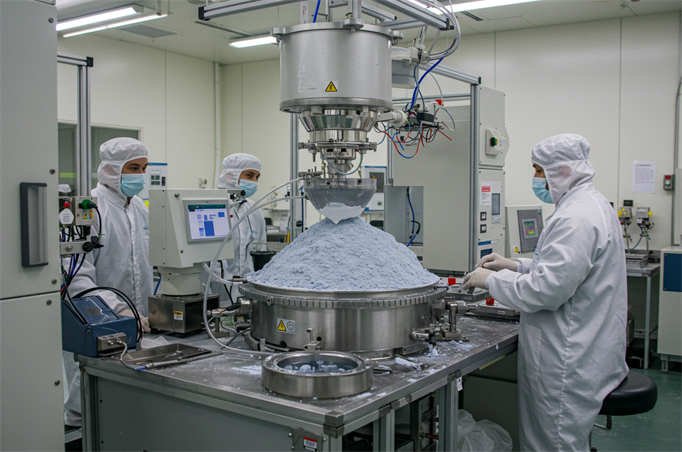

A worker in a paint factory saw a strong reaction. This happened when mixing two aluminium paste batches. The safety data sheets from suppliers were very different. They had different hazard warnings and particle sizes. Some pastes had very small flakes. These made car paints look shiny. Other pastes had extra-large flakes. These were used for insulation. The table below shows how particle size changes use and risk:
| Particle Size (µm) | Description | Application |
|---|---|---|
| 1–10 | Very small flakes | Smooth and shiny finishes for car paints and inks |
| 10–25 | Medium flakes | Sand silver or thick coverage for walls and roofs |
| 25–50 | Grands flocons | Thicker coverage, aesthetic effects |
| 50–100 | Extra-large flakes | Thermal insulation, tough coatings |
Hazard identification is also different in aluminium paste sds. This is why brands like Five Star Aluminium Paste must give clear safety information. This helps people use it safely.
Principaux enseignements
- Different aluminium paste brands have different particle sizes. Fine flakes make things look shiny. Bigger flakes cover better and help with insulation.
- Always read the safety data sheet (SDS) for each aluminium paste. The SDS tells you about dangers, how to handle it, and what to do in emergencies.
- Keep aluminium paste in closed containers. Store it between 15°C and 25°C. This keeps it safe and good to use.
- Wear safety gear like gloves and masks when using aluminium paste. This keeps you safe from dust and health problems.
- Ask suppliers about particle size, safety gear, and how long it lasts. This helps you pick the best product for your needs.
Comparing aluminium paste SDS
Composition and Particle Size
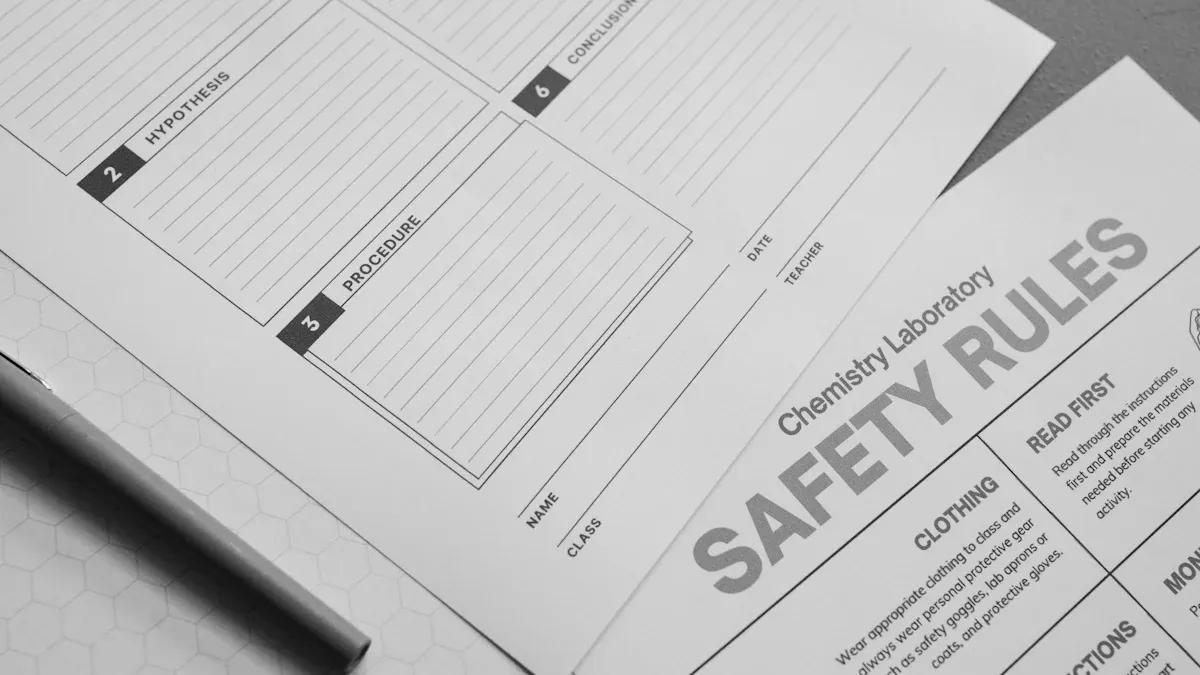
Aluminium paste sds from different companies can be very different. The ingredients and particle size are not always the same. Some brands, like Five Star Aluminium Paste, use fine flakes. These flakes are between 1 and 10 micrometers. Fine flakes make car paints and inks look smooth and shiny. Other companies sell medium flakes. These are 10 to 25 micrometers. Medium flakes give more coverage and special looks. Large flakes are 25 to 50 micrometers. They work well for thick coatings on walls and roofs. Extra-large flakes can be up to 100 micrometers. These are best for insulation and tough coatings.
Particle size changes how the paste works and how safe it is. Fine flakes make things glossy but can cause dust problems. Breathing in dust is not safe. Large flakes cover better and last longer. But they might need special care so they do not clump or separate.
| Particle Size (µm) | Effect on Performance and Safety |
|---|---|
| 1–10 | Makes car paints and inks smooth and shiny |
| 10–25 | Gives medium coverage and different looks |
| 25–50 | Good for thick coatings on walls and roofs |
| 50–100 | Helps with insulation and strong coatings |
Hazard Identification
Hazard identification in aluminium paste sds is not always the same. Some companies say the paste is very flammable. Others talk about health risks like skin or eye irritation. Five Star Aluminium Paste says clear warnings are important. This is extra true for fine flakes that can float in the air. Users should read each SDS for special warnings. Some pastes can make hydrogen gas if they touch water or acids.
- All aluminium paste can catch fire easily.
- Some sds warn about breathing in dust.
- Others talk about neurotoxicity, which can hurt memory and focus.
Handling and Storage
Safe handling and storage are very important. Most sds say to keep the paste away from acids, alkalis, and strong oxidizers. Five Star Aluminium Paste says to store it inside in sealed containers. The best temperature is between 15°C and 25°C. Some types, like special leafing grades, may need heating if they separate.
- Keep containers closed and away from heat.
- Use explosion-proof equipment in storage rooms.
- Mix gently if the paste separates. Do not stir fast to avoid static.
- Use the paste within six months after opening. Do not keep unopened containers for more than twelve months.
| Practice | Détails |
|---|---|
| Conditions de stockage | Store inside in sealed containers, below 40°C, best at 15°C–25°C. |
| Special Leafing Grades | Store inside at 15°C–45°C; heat to 30°C–45°C if stearic acid separates. |
| Ventilation | Make sure the area has good airflow when opening containers because of hydrogen gas. |
| Mélange | Mix well if the paste separates. Do not stir fast to stop static. |
Exposure Controls
Exposure controls help keep workers safe. Companies say to use tools that catch dust and fumes. Five Star Aluminium Paste says to use exhaust systems that follow safety rules. Closed systems send dust and fumes to special cleaners. This keeps the air clean.
- Wear gloves, goggles, and masks for protection.
- Keep dust below 0.082 pounds for each ton of paste.
- Make sure the workspace has good airflow to stop gas buildup.
| Requirement | Description |
|---|---|
| Dust and Fume Control | Use tools to catch dust and fumes. |
| Exhaust System Compliance | Make sure your exhaust system follows safety rules. |
| Closed System for Emissions | Use closed systems to send dust and fumes to cleaners. |
| Emission Control Devices | Only use devices that follow emission rules. |
| Dust Emission Limit | Keep dust under 0.082 pounds for each ton of paste. |
Emergency Procedures
Emergency steps in aluminium paste sds help during accidents or spills. Some companies give clear steps for fire, chemical contact, or gas leaks. Five Star Aluminium Paste tells what to do if hydrogen gas forms. This can happen if the paste touches water. Acting fast can stop injuries and damage.
- For fire, use dry sand or special extinguishers, not water.
- If paste gets on skin or eyes, rinse with lots of water and get help.
- For spills, open windows and pick up the paste with safe tools.
- Always follow the emergency steps in the SDS for each product.
Tip: Read the emergency section of every aluminium paste sds before you start work. This helps you act fast and stay safe if something goes wrong.
Why SDS Differences Matter
Safety and Compliance
Safety and following rules are important in every factory. Workers need to follow safety rules to stay safe. Each aluminium paste sds gives different safety tips. Some sheets warn about fire danger. Others talk about skin problems or breathing trouble. Five Star Aluminium Paste gives clear warnings for fine flakes. Fine flakes can float in the air and make dust. Companies must check each safety data sheet before using new paste. This helps them follow the law and keep workers safe.
Tip: Train all workers on the newest safety data sheet. This helps everyone know what to do if there is an emergency.
Product Quality and Performance
The right aluminium paste makes products work well. Particle size, purity, and additives change how the paste works. Fine flakes make car paints look shiny. Large flakes help with insulation. Some brands say their paste uses less aluminum in special products. Five Star Aluminium Paste has grades for special uses. If a company picks the wrong paste, the product may not look good or work right. Reading the aluminium paste sds helps buyers pick the best paste.
| Application | Paste Feature | Résultat |
|---|---|---|
| Car Paints | Fine Flakes | Smooth, glossy finish |
| Insulation | Extra-large Flakes | Better heat protection |
| Premium Inks | Water-mixable Grades | Less aluminum needed |
Procurement Decisions
People who buy paste must compare safety data sheets first. They look for clear warnings, storage rules, and how the paste works. Five Star Aluminium Paste gives detailed sheets for each type. This helps buyers avoid problems and meet safety rules. If a supplier does not give a good aluminium paste sds, buyers may have trouble with laws or bad products.
- Check the safety data sheet for every batch.
- Ask suppliers about gas time and water-mixable grades.
- Pick brands that give clear information and help.
Note: Good buying choices keep workers safe and make better products. Always read the safety data sheet before you order.
Evaluating aluminium paste SDS
Key SDS Features
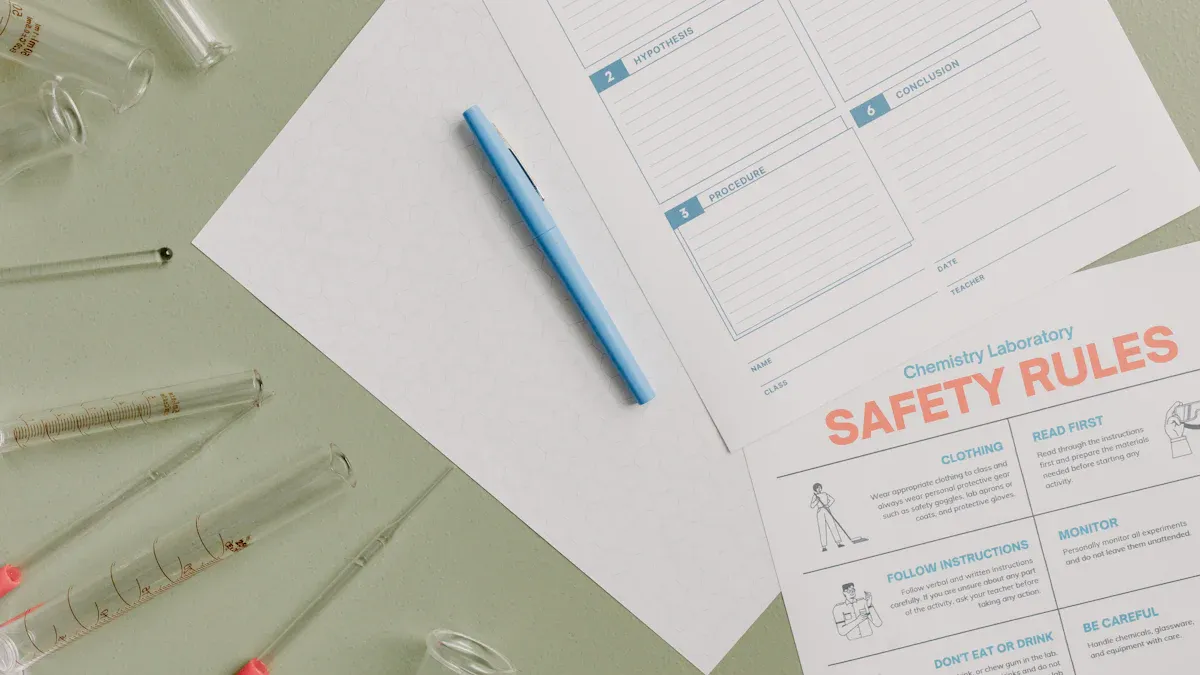
A good aluminium paste SDS gives clear facts about the product. Pâte d'aluminium Five Star shares important details to help people stay safe. These details also help people make smart choices. Everyone should look for these main features in each SDS:
- Chemical Composition: The SDS lists the main ingredients. This lets people know what is in the paste.
- Distribution de la taille des particules: The sheet shows the flake sizes. Fine flakes are best for paints. Large flakes work well for insulation.
- Hazard Identification: The SDS tells about fire risks and health dangers. It also says if the paste can make hydrogen gas with water.
- Handling and Storage Instructions: The sheet explains how to store and use the paste. It warns to keep the paste away from acids and heat.
- Exposure Controls: The SDS lists ways to control dust and fumes. It also lists safety gear like gloves and masks.
- Emergency Procedures: The sheet gives steps for spills, fires, or chemical contact.
Tip: Always check these features before picking a new aluminium paste. Five Star Aluminium Paste gives detailed SDS documents for every type.
Questions for Suppliers
People who buy aluminium paste should ask suppliers clear questions. This helps them choose the best product and avoid problems.
- What is the particle size range for this paste?
- Does the paste have water-mixable grades?
- How fast does the paste make gas when mixed with water?
- What safety gear does your SDS suggest?
- How long can I keep the paste before it goes bad?
- Can you give a sample SDS to look at?
- What steps do you suggest for safe handling and storage?
| Question | Why It Matters |
|---|---|
| Particle size range | Changes how the product works and how safe it is |
| Water-mixable grades | Changes how you use it and how much aluminum you need |
| Gas generation time | Helps plan for safety |
| Safety gear | Keeps workers safe |
| Shelf life | Stops waste |
| Sample SDS | Lets you check before buying |
| Handling advice | Lowers risk |
Remarque : Pâte d'aluminium Five Star answers all these questions in their SDS and customer support. Smart buyers always ask before they order.
Aluminium paste SDS papers can be very different. People should look at safety, storage, mixing, and disposal rules. Five Star Aluminium Paste gives clear SDS information. The table below shows the main things to check:
| Category | Key Points |
|---|---|
| Safety Precautions | Wear safety gear, do not breathe in dust, and keep away from fire. |
| Storage Requirements | Keep in a dry place, close containers tight, and do not let it touch other chemicals. |
| Mixing and Application | Mix well, use the right amount of powder, and make sure it works with the solvent. |
| Environmental Conditions | Watch the temperature and humidity, and keep away from water. |
| Élimination des déchets | Throw away waste the right way and do not pollute the environment. |
| Chemical Contact | Do not let it touch strong acids, bases, or oxidizers to stop dangerous reactions. |
Industry tools help people compare SDS papers. Chemical Safety’s SDS Search and SDS Search let people find SDS from many makers.
| Resource Name | Description |
|---|---|
| Chemical Safety’s SDS Search | This is a free tool for groups to get SDS from many makers with no search limits. |
| SDS Search | Lets people type a chemical name and see SDS from different makers. |
Tip: Always read the SDS and ask your supplier questions before using aluminium paste.
FAQ
What is the main difference between aluminium paste SDS from different brands?
Every brand has its own particle sizes, ingredients, and warnings. Five Star Aluminium Paste gives lots of details in their SDS for each product.
Why does particle size matter in aluminium paste?
The size of the flakes changes how the paste looks and works. Fine flakes make things shiny. Large flakes are good for insulation. Five Star Aluminium Paste has many sizes for different jobs.
How should workers store aluminium paste safely?
Workers need to keep aluminium paste in closed containers. Keep it away from heat and chemicals. Five Star Aluminium Paste says the best place is between 15°C and 25°C.
What should users do if aluminium paste spills?
If there is a spill, open windows right away. Wear gloves and use safe tools to clean up. Five Star Aluminium Paste says to follow the emergency steps in the SDS.
Can aluminium paste create dangerous gases?
Aluminium paste can make hydrogen gas if it touches water or acids. Five Star Aluminium Paste always puts clear warnings and safety tips in their SDS.








 Français
  English
  Español
  Português do Brasil
  Русский
  العربية
  日本語
日本語 
