
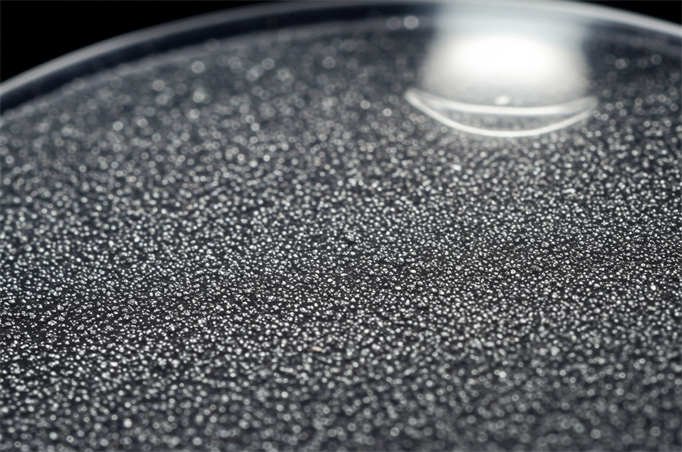
You can use coarse aluminum paste in paints and coatings. It makes surfaces look bold, shiny, and textured. You need to prepare the surface well. Mix gently to stop flake deformation. This helps the finish look even. Pick the best way to apply it for your project. This gives you good results. Many car makers and builders use this material. They use it for car bodies, trims, and strong wall coatings. Water-based options help keep the air clean. They also make recycling easier. The special texture stands out in cars, reflective items, and building projects.
Principais conclusões
- Sand and clean your surface well so the aluminum paste sticks right. – Pick the best way to put it on. Use a brush for small areas. Use spray for fast work. Use screen printing for neat lines. – Stir coarse aluminum paste gently. This keeps the metal flakes whole. It helps the finish look smooth and shiny. – Watch the drying and curing times closely. This helps the coating stay strong and last long. – Keep leftover paste in a closed container. Store it in a cool, dry spot. This keeps it good and useful.
Surface Prep for Coarse Aluminum Paste
Sanding and Cleaning Steps
You need to start with a clean and smooth surface before you apply coarse aluminum paste. Use light sanding to remove old paint, scratches, or oxidation. This step helps the paste stick better. Choose the right sandpaper grit for your project. The table below shows common grit sizes and their uses:
| Grit Size | Purpose |
|---|---|
| 80 grit | Removes heavy oxidation, scratches, old coatings |
| 150 grit | Refines coarse scratches from initial sanding |
| 220 grit | Prepares aluminum for paint or primer |
| 320 grit | Creates a smooth, even finish |
After sanding, wipe away dust with a clean, dry cloth. Wash the surface with a mild detergent or a commercial aluminum pre-cleaner. These cleaners remove grease, oil, and dirt. You can also use a corrosion remover if you see any rust spots. Rinse the surface with clean water to remove all soap or cleaner. This process creates a porous layer that helps the paste bond well.
Tip: Always wear gloves and a mask when sanding or cleaning. This keeps you safe from dust and chemicals.
Drying the Substrate
Let the surface dry completely before you apply coarse aluminum paste. Moisture can cause poor adhesion and uneven texture. You can air dry the surface or use a clean, dry cloth to speed up the process. Check for any wet spots by touching the surface lightly. If you feel any dampness, wait longer. A dry surface gives you the best results and a strong, long-lasting finish.
Application Methods
You can use three main ways to put on coarse aluminum paste. These are brushing, spraying, and screen printing. Each way is good for different jobs and looks. The table below shows the good and bad things about each way:
| Método | Vantagens | Desvantagens |
|---|---|---|
| Escovação | Good for small or tricky spots | Takes a long time on big areas |
| Pulverização | Fast for big spaces | Needs thinning and careful settings |
| Screen Printing | Great for making many items and thin lines | Might need special thickness changes |
Brushing Techniques
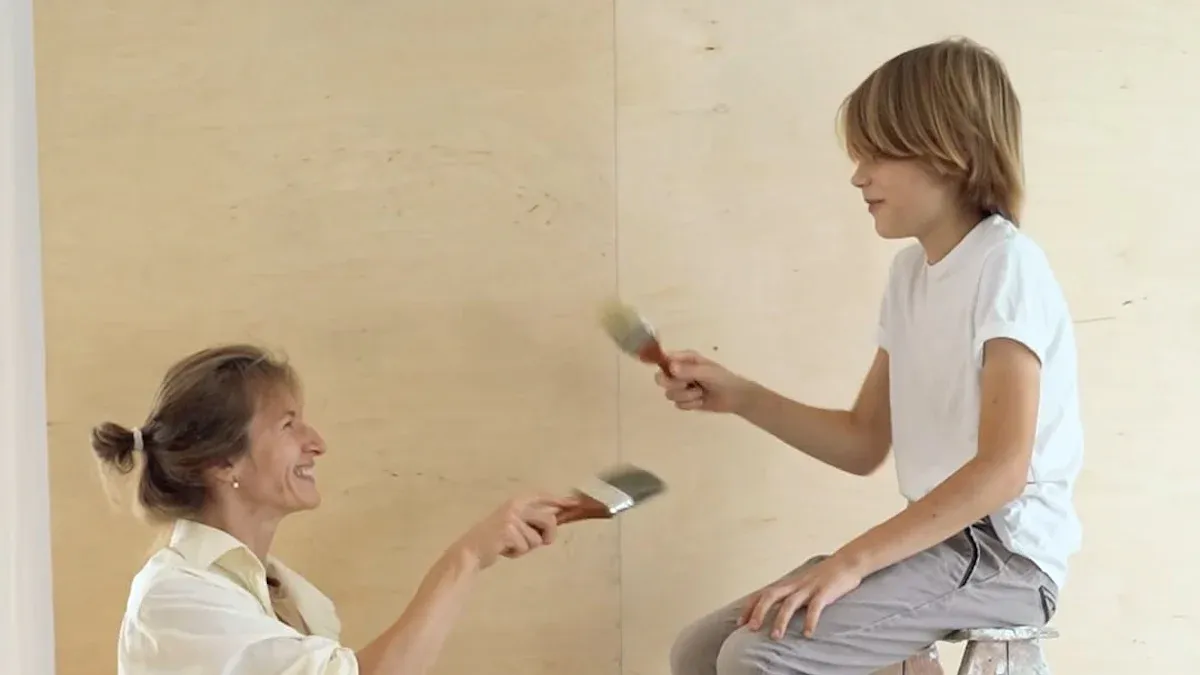
Brushing lets you control where the paste goes. It works well on small or detailed spots. Make sure the surface is clean before you start. Move the brush in circles to smooth out bumps and make cool textures. Nylon brushes are soft and good for the last polish. Sisal brushes help at the start and remove scratches. Cotton wheel brushes are cheap and work in the middle steps. Felt wheel brushes are soft and good for shining. Brass wire brushes fix rough spots but do not clean. Nylon abrasive brushes take away roughness first. Always wear gloves and a mask to stay safe from dust and chemicals.
Spraying Tips
Spraying is fast and covers big areas evenly. You need to thin the paste and set the sprayer right. Try spraying on a small spot first. Change the pressure and nozzle to get the best look. Spraying is great for car bodies and large panels. Always wear safety gear. Breathing in tiny aluminum bits can make you cough or wheeze. Water-based aluminum pastes are better for nature because they let out less VOCs.
Screen Printing Overview
Screen printing is best when you need to make a lot or want thin lines. You must change how thick the paste is for this way. Thicker paste helps with thin lines. Screen printing is good for shiny signs and pretty panels. Always follow local rules for safe use and throwing away waste. Throwing away paste the wrong way can hurt water and dirt.
Tip: Use brushing for small or detailed jobs, spraying for big areas, and screen printing for lots of items or thin lines. Pick the way that fits your project to get the best results.
Mixing Coarse Aluminum Paste
Gentle Dispersion Techniques
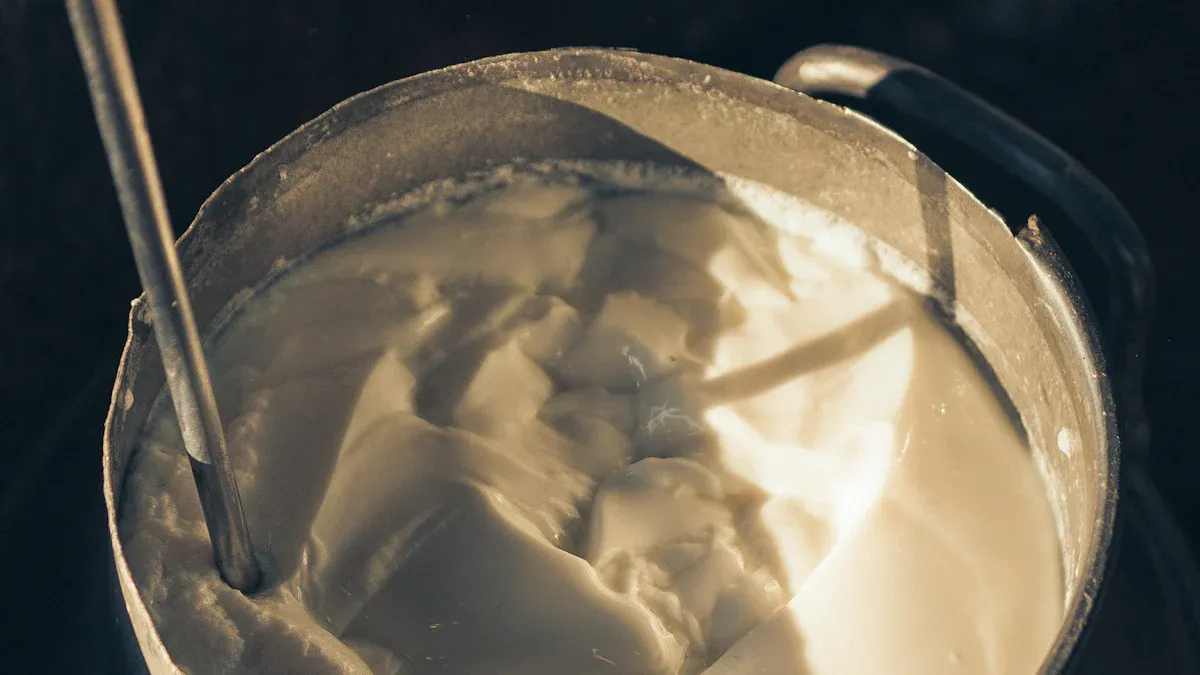
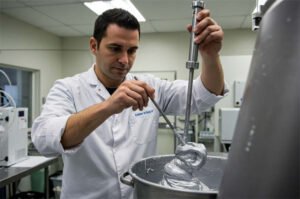
You need to mix coarse aluminum paste with care. If you use too much force, you can break the metal flakes. This will ruin the shiny, textured look you want. Start by making a pure color base powder. Do not add any metal pigment yet. This helps you mix the resin, filler, and additives well. When you finish, let the base powder cool and crush it into small pieces.
Next, add the metal pigment to the cooled base powder. Mix at a low speed. This keeps the flakes from breaking. Control the temperature and rotation speed. You want the metal flakes to stick to the powder without too much shearing. If you want the best results, try using Five Star Aluminium Paste. It works well with gentle mixing and helps you get a smooth, even texture.
Tip: Always use a clean, dry container and tools. This keeps the paste free from dust and moisture.
Mixing Ratios
You must use the right ratio of coarse aluminum paste to solvent. The best ratio is between 1:1 and 1:2. This means you use one part paste for every one or two parts solvent. If you use high-solid coatings or fast-releasing binders, like cellulose acetate butyrate, you can stop the finish from looking cloudy. The right ratio helps the metal flakes line up well. If you do not mix enough solvent, the finish can look spotty or dull.
Here is a quick guide:
| Paste : Solvent Ratio | Resultado |
|---|---|
| 1:1 | Strong metallic effect, thick texture |
| 1:2 | Smoother finish, easier to spray or brush |
If you want a bright, even metallic look, always check your ratios before you start. Five Star Aluminium Paste gives you clear instructions for mixing. Follow them for the best shine and texture.
Even Application Process
You want the metal flakes to spread out evenly. This gives you a uniform, shiny finish. Mix the paste gently and do not rush. Pour the mixture slowly into your paint or coating. Stir with a soft paddle or spatula. Do not use high-speed mixers. These can break the flakes and make the finish look cloudy or uneven.
Check the mixture as you go. Look for lumps or spots where the flakes do not spread. If you see any, stir gently until the paste looks smooth. Test a small area before you cover the whole surface. This helps you see if the texture and shine look right.
Note: If you use Five Star Aluminium Paste, you will find it easier to get an even, bright finish. The flakes stay strong and spread well with gentle mixing.
By following these steps, you can keep the special look of coarse aluminum paste. You will get a bold, metallic finish that stands out.
Drying and Curing
Drying Times
You need to let the coating dry before you touch or use the surface. Drying times can change based on the weather around you. If the air feels cold, the paint dries slowly. You might see sagging or a bumpy look called “orange peel.” Warm air makes the paint dry fast, but it can crack if it dries too quickly. Humidity also matters. High humidity keeps water from leaving the paint. This can cause bubbles or white spots. Low humidity dries the paint too fast and makes the surface rough.
Here is a table to help you understand how different conditions affect drying:
| Condition | Effect on Drying Times |
|---|---|
| Low Temperature | Slows drying; may cause sagging or orange peel. Best range: 15-30°C (59-86°F). |
| High Temperature | Dries too fast; may cause cracks. Keep humidity steady for best results. |
| High Humidity | Hard for water to leave; can cause whitening and bubbles. |
| Low Humidity | Dries too fast; may make the surface rough. Keep humidity between 40%-60%. |
Tip: Always check the weather before you start. Try to work when the temperature is between 56°F and 99°F and humidity is between 40% and 60%.
Curing for Durability
Curing makes your coating strong and long-lasting. You need to give the paint enough time to cure after it dries. If you rush, the finish can peel or lose its shine. Good curing helps the aluminum flakes stay in place and keeps the texture even.
Follow these steps for the best results:
- Keep the temperature between 10°C and 30°C (50°F to 86°F) during curing.
- Make sure the humidity stays below 85%. High humidity can trap water and cause the coating to fail.
- Check that the surface is at least 5°F warmer than the dew point. This stops water from forming on the surface.
- Avoid very low humidity. If it drops below 40%, the coating can dry too fast and crack.
You can touch the surface gently to check if it feels dry. Wait longer if it feels sticky or soft. For most projects, let the coating cure for at least 24 hours before you use or handle the item. If you follow these steps, you will get a tough, shiny finish that lasts.
Note: Patience during drying and curing gives you the best results. Your metallic finish will look smooth and stay strong for a long time.
Troubleshooting and Tips
Erros comuns
You might have problems when using coarse aluminum paste. Here are some steps to fix weak sticking or surface problems: First, roughen the surface with abrasive blasting or chemical etching. This helps the coating hold on better. Next, clean off all dust and dirt after you roughen the surface. Clean surfaces stick best. Make sure you follow the right curing rules for your coating. Check the temperature and how long it needs to cure. Keep your tools and work area clean. This stops dirt from getting in your paste. Pick coatings that work well with your surface. Matching them helps the paste stick strong. Test how well the paste sticks on a small spot before you do a big project.
Tip: Always look for bumpy spots or flake clumps before the coating dries. You can smooth them out with a soft brush.
Achieving a Uniform Finish
You want your finish to look even and bright. Try these tips for small and big projects: Store your aluminum paste in a dry, cool place with good air flow. Keep water away from the paste when you mix it. Follow all safety rules from the supplier. Ask your supplier for particle size data. This helps you get the right texture. Use dispersion aids if you see clumps. Test your paste and resin together before making a big batch. Check the pH and polarity of your system. Matching them gives a better finish. Use drawdowns or spray-outs to check quality. Keep records of each batch so you can track them.
Note: Checking with laser diffraction or a microscope helps you find problems early.
Storage Advice
Good storage keeps your aluminum paste fresh and ready to use. Follow this table for best results:
| Dica de armazenamento | Descrição |
|---|---|
| Isolate Air | Close the lid tight and add a second seal to block air and stop oxidation. |
| Prevent Moisture | Store in a dry place below 60% humidity. Keep away from water sources. |
| Controle de temperatura | Keep between 15–40°C. Do not put in sunlight to slow down oxidation. |
| Regular Inspection | Use within six months after opening. Check for oxidation before each use. |
Tip: Good storage stops clumping and keeps your paste shiny and easy to mix.
If you follow all the steps, you get a strong, shiny finish. Getting the surface ready helps the paste stick well and last longer. Mixing gently keeps the flakes bright and spread out. Picking the right way to put it on gives you the look you want. Experts say these steps stop flaking and fading. You can find coarse aluminum paste in many places:
- Car paints make cars look sparkly
- Bridges and pipelines use it for protection
- Electronics have metallic finishes
- Shiny inks are used for packaging
Use these tips to get a bold and tough finish every time.
Perguntas frequentes
How do you store leftover coarse aluminum paste?
You should keep the paste in a sealed container. Store it in a cool, dry place. Make sure no water or air gets inside. This helps the paste stay fresh and easy to use.
Can you mix coarse aluminum paste with any paint?
You need to check if your paint works with aluminum paste. Water-based and solvent-based paints both work, but always test a small amount first. Some paints may not give a good finish.
What safety gear do you need when using aluminum paste?
Wear gloves, a mask, and safety glasses. This protects your skin, eyes, and lungs from dust and chemicals. Good airflow in your workspace also helps keep you safe.
Tip: Always wash your hands after working with aluminum paste.
Why does my finish look uneven or dull?
You may have mixed the paste too hard or used the wrong ratio. Try gentle mixing and check your ratios. Test on a small area before you coat the whole surface.








 Português do Brasil
  English
  Español
  Русский
  العربية
  Français
  日本語
日本語 
